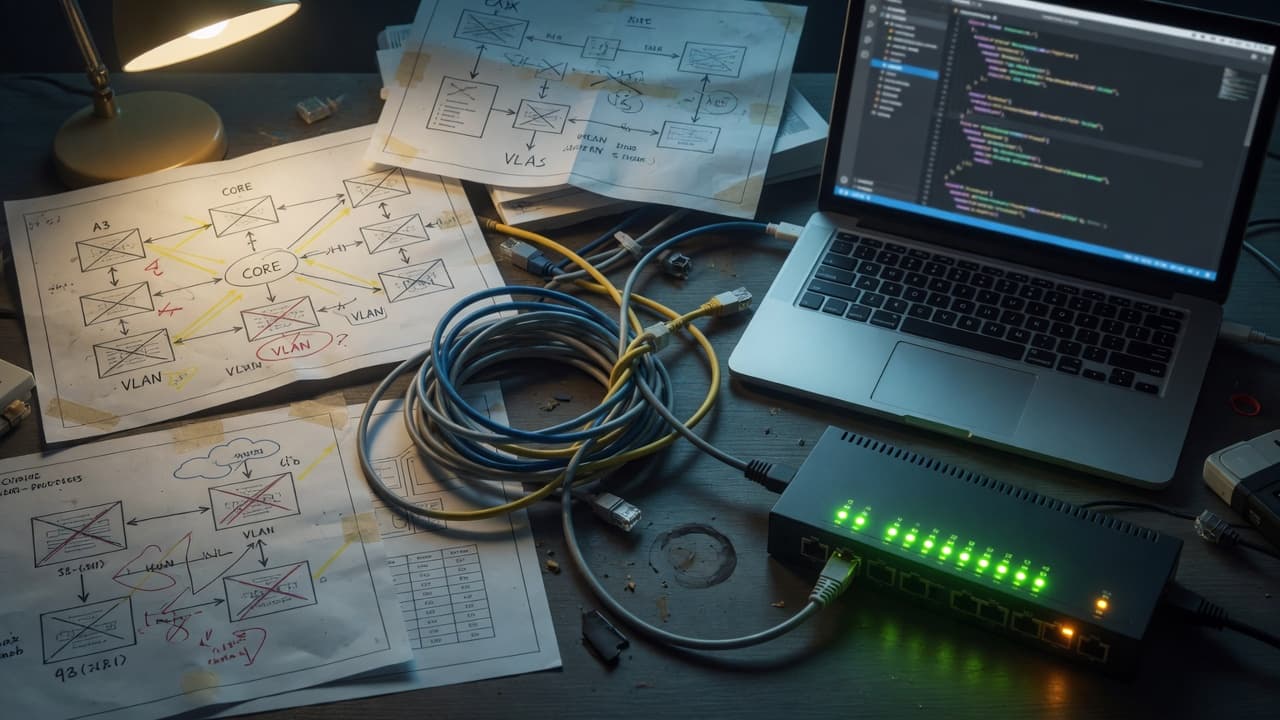
This illustrative case study outlines an architectural blueprint developed by Canvas Developers to demonstrate how an Israeli EdTech community platform can streamline collective micro-payments for kindergarten and school class committees. School parent groups frequently struggle with fragmented parent contributions, chasing manual bank transfers, and reconciling cash ledgers for seasonal events and classroom gifts.
By implementing a dedicated Grow and Pelecard integration for school payments, the conceptual platform couples instant chat-based payment links with automated credit clearing and sub-account disbursements. This architecture tracks individual payer statuses in real time and eliminates administrative reconciliation overhead for volunteer treasurers.
Executive Summary: How Can School Communities Automate Group Split Payments at Scale?
The Operational Challenge: Fragmented Parent Contributions and Manual Ledger Audits
Class committees routinely collect contributions for celebrations, trips, and teacher gifts. When parents send disjointed bank transfers or cash, volunteer treasurers spend hours manually auditing bank statements against roster spreadsheets, delaying event funding.
The Technical Fix: Unified Clearing via Pelecard and Instant Grow Links
Canvas Developers designed an illustrative architecture featuring a custom group payment gateway Israel platforms can adapt. Pairing Pelecard clearing with instant Grow payment links routes cleared parent dues directly into designated sub-accounts.
The Core Outcome: Eliminating Manual Bank Reconciliation for Volunteer Committees
A unified Grow and Pelecard integration for school payments converts manual dues collection into an automated ledger, updating individual statuses immediately upon clearance.
The Operational Bottleneck: Why Do Class Committee Dues Overwhelm School Platforms?
The Decentralized Nature of Class Treasurers in School Communities
In school environments, dues collection does not run through a single central finance department. Instead, independent volunteer parent committees govern each kindergarten or grade classroom, collecting funds for specific classroom milestones and shared materials. This distributed setup creates fragmented administrative workflows across an entire campus or EdTech platform.
The Limits of Bank Transfers: Chasing Proof of Payment and Manual Verification
Traditional payment collection relies heavily on direct peer-to-peer bank transfers. Volunteer treasurers must constantly ask parents for screenshots or reference numbers, cross-referencing incoming line items against student names. Without a custom group payment gateway Israel schools and EdTech networks can standardize, identifying unallocated transfers consumes substantial volunteer time.
Parent Drop-Off: Friction Caused by Mandatory Account Sign-Ups for Micro-Payments
When platforms force parents through multi-step account registrations or unfamiliar wallet downloads for small contributions, completion rates drop sharply. Parents delay payments or default back to informal cash envelopes. Managing periodic collections or scheduled Pelecard recurring committee dues requires an accessible payment channel that respects parental routines without introducing registration barriers.
What Was at Stake: What Are the Hidden Costs of Disjointed Payment Tracking?
Weeks of Administrative Overhead for Volunteer Committee Organizers
Without automated tooling, volunteer parents dedicate weeks of administrative overhead to tracking down missing dues. Treasurers balance spreadsheets, decipher vague bank transfer notations, and send repetitive manual reminders, turning school class committee payment reconciliation into a stressful operational burden.
Unfunded Milestones: How Delayed Contributions Impact Class Events and Supplies
When collection periods stretch out over multiple weeks, scheduled classroom milestones stall. Committee organizers cannot purchase essential event supplies, confirm field trip reservations, or distribute seasonal gifts on schedule, causing logistical delays and unnecessary tension among participating families.
Platform Churn: Why EdTech and Community Portals Lose Users Over Payment Hassles
For community portals and EdTech applications, leaving payment handling to disconnected channels undermines platform utility. Users disengage when core administrative coordination breaks down. Adopting a reliable custom group payment gateway Israel platforms can deploy safeguards engagement and protects user retention.
The Solution Architecture: How Does Coupling Grow and Pelecard Streamline Collections?
Deploying Grow Automation: Triggering Dynamic Payment Links Directly via WhatsApp
Meeting parents within their everyday messaging routines eliminates distribution friction. Implementing Grow WhatsApp payment link automation allows class treasurers to generate personalized, dynamic payment requests dispatched directly into class chat channels or direct messages. Each link contains contextual metadata, including the student identifier and specific collection purpose, enabling parents to complete transactions on mobile devices in seconds without downloading standalone apps.
Pelecard Clearing Engine: Secure Tokenization and Dedicated Sub-Account Splits
Behind the conversational front end, the financial routing relies on a resilient split payment platform Pelecard API architecture. Pelecard manages compliant credit card tokenization, isolating sensitive financial credentials from the application servers. The clearing engine directs incoming transactions into designated virtual sub-accounts assigned to specific classroom treasurers, ensuring clean ledger separation and automated fund allocation across different school cohorts.
Real-Time Webhook Pipeline: Syncing Payer Statuses to the Central Class Ledger
To eliminate manual verification, incoming transaction events flow through a secure webhook handler that synchronizes payment confirmations with the primary database. The system verifies digital signatures, registers cleared payments against student records, and updates the live class ledger. Treasurers immediately see who has settled their share and who remains outstanding, removing ambiguous bank statement reviews.
Engineering & Implementation: How Were Obstacles Overcome in the Payment Workflow?
Accelerating Scaffolding with AI Coding Tools While Engineers Direct Core Architecture
Canvas Developers leveraged commercial AI coding tools and internal harnesses to accelerate boilerplate generation, API schema mapping, and test scaffolding. AI coding agents drafted initial data transfer objects and mock payment responses. Crucially, experienced engineers directed the entire architectural roadmap, designing the underlying relational data models, integration contracts, and operational boundaries between third-party services.
Where AI Tools Fall Short: Human Verification for PCI Security, Tokens, and Clearing Logic
While AI code generation accelerates routine tasks, financial integrations demand rigorous human expertise. Automated assistants often overlook subtle security nuances, PCI compliance boundaries, and cryptographic signature validations. Senior software engineers conducted manual code reviews to verify tokenization handling across the split payment platform Pelecard API, ensuring sensitive cardholder data remains strictly outside application infrastructure while auditing state machines and sub-account distribution logic.
Solving Network Edge Cases: Webhook Idempotency and Incomplete Payment Recovery
Real-world payment workflows must reliably handle intermittent connectivity, delayed callbacks, and duplicate notifications. The team engineered an idempotent webhook processing pipeline backed by unique transaction hashes and database locks, preventing double credits. When users abandon checkout sessions, background workers poll gateway statuses to recover or expire pending intents, completing a resilient Grow and Pelecard integration for school payments.
Measurable Outcomes: What Changes When Dues Tracking Moves to Full Automation?
Before vs. After: Transitioning from Multi-Week Tracking to Zero Manual Intervention
Deploying this automated reconciliation pipeline fundamentally reshapes class committee operations. Where parent volunteers previously spent weeks chasing informal transfers and deciphering bank receipts, the automated reconciliation pipeline reduced overdue dues tracking from weeks to zero manual intervention.
Immediate Treasurer Visibility: Instant Dashboard Verification of Settled Funds
Volunteer treasurers gain immediate administrative visibility into settled contributions. Implementing a unified Grow and Pelecard integration for school payments replaces unallocated bank deposits with instant ledger updates, confirming cleared balances directly against student rosters.
Extending the Pattern: Readiness for Multi-Class and Campus-Wide Portals
This modular integration readily scales beyond individual classrooms to support multi-class cohorts and entire school portals. Accommodating both one-time event fees and scheduled Pelecard recurring committee dues establishes a robust foundation for institutional growth.
Strategic Takeaways & Next Steps: How Should Founders Build Custom Payment Workflows?
Fintech Engineering Trade-offs: Balancing AI Delivery Speed with Senior Code Reviews
AI coding agents accelerate boilerplate scaffolding, but payment integrations require rigorous human oversight. Experienced software engineers must own system architecture, review code, and verify data security, card tokenization, and transaction scale.
Prioritizing User Convenience: Why Local Chat Triggers Outperform Complex Checkout Walls
Community micro-payments succeed when platforms eliminate participation friction. Deploying Grow WhatsApp payment link automation engages parents within everyday chat channels, while a custom group payment gateway Israel platforms deploy ensures secure clearing without app downloads or account registration barriers.
Initiating Your Build: Schedule a Scoped Assessment via Canvas Developers (https://www.canvasdevelopers.com/contact)
Canvas Developers combines AI-assisted velocity with senior engineering direction across web, mobile, and fintech systems. To discuss your platform requirements, schedule a scoped assessment via our contact form or reach out via WhatsApp on our website.