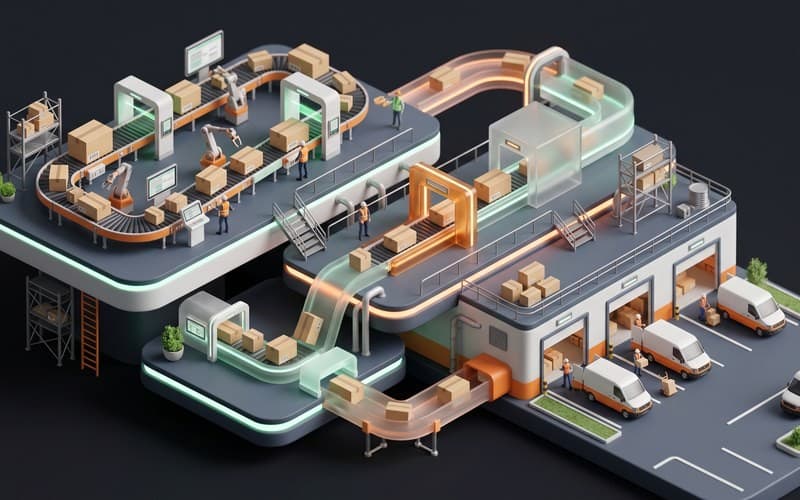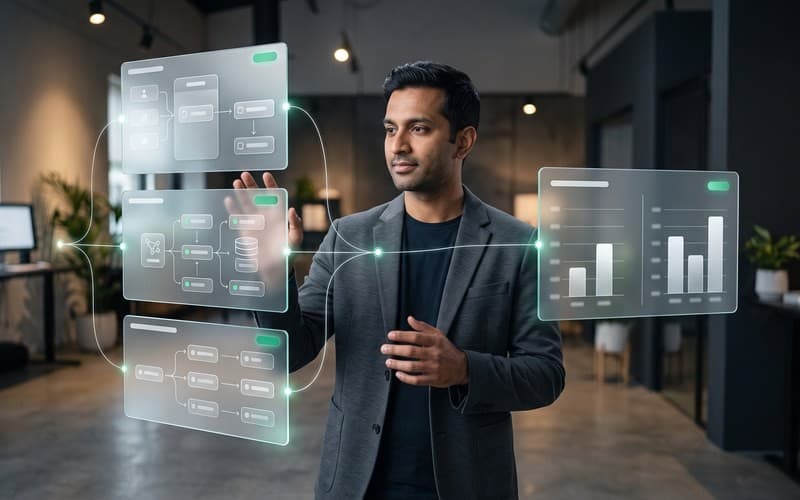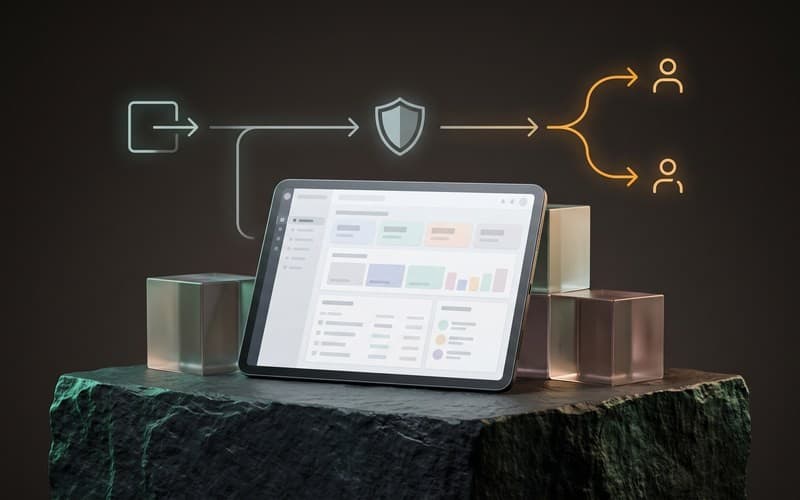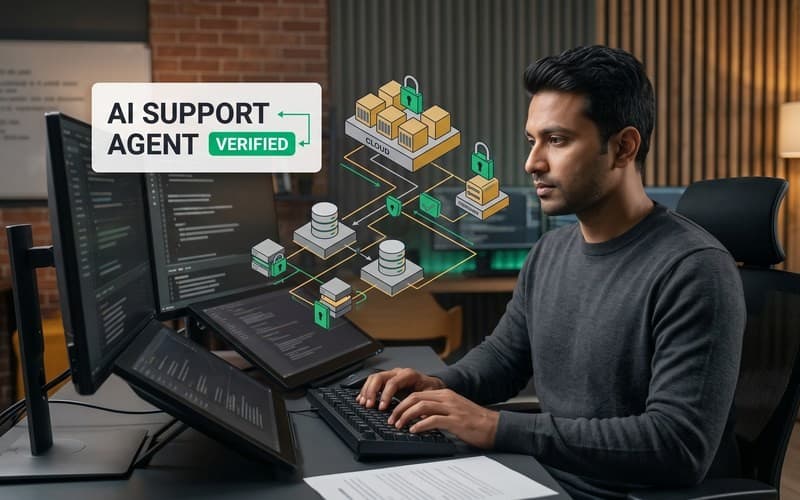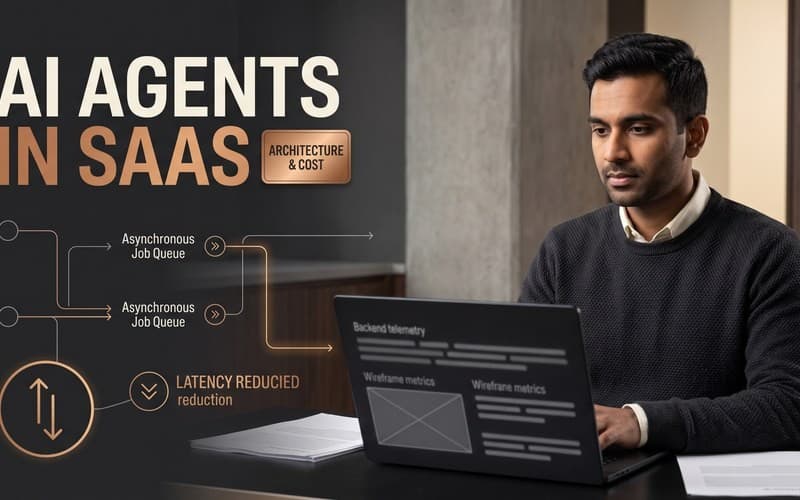
This illustrative case study explores how an enterprise SaaS subscription provider resolved multi-channel support friction through a targeted ai zapier integration. Managing incoming requests across disconnected help desks frequently creates severe operational drag, delaying critical bug remediation. By pairing middleware automation with generative AI prompt chains and real-time alert systems, modern engineering teams can classify customer intent with semantic precision and dispatch severe incidents instantly.
Summary: How Did an AI Zapier Integration Slash Escalation Response Times?
When high-growth subscription software companies experience rapid customer adoption, triage delays can strain support operations. In this illustrative scenario, a SaaS subscription provider faced a 24-hour response bottleneck across Zendesk, Discord, and email help desks. Critical defects were submerged under routine billing queries, causing production incidents to languish in unread queues.
To resolve this operational friction, Canvas Developers architected an ai zapier integration utilizing an intelligent zapier llm pipeline. By orchestrating OpenAI vector embeddings with deterministic prompt chains, the system evaluates incoming customer tickets, classifies urgency, and dispatches high-priority alerts to PagerDuty. Consequently, response times for critical bugs dropped from 4 hours to under 8 minutes.
The Challenge: Why Were Multichannel Inquiries Causing a 24-Hour Support Bottleneck?
Managing customer inquiries across disparate platforms introduces severe operational hurdles. In this illustrative scenario, the organization received incoming support requests simultaneously through Zendesk tickets, Discord community channels, and direct support email inboxes. Because each communication stream operated in isolation, incoming messages lacked standardized tagging, severity indicators, or unified triage queues.
Support personnel spent hours manually reviewing unstructured messages, attempting to distinguish routine billing questions from urgent production outages. This manual overhead created a persistent 24-hour response bottleneck across Zendesk, Discord, and email help desks. Without zendesk zapier ai automation to unify ingestion, Tier-3 engineering escalations were delayed while agents sorted through message logs by hand, highlighting the critical need for automated support ticket routing zapier workflows.
What Was at Stake: How Did Triage Delays Threaten SaaS Subscriber Retention?
For subscription software providers, account retention and enterprise renewals depend on service availability and rapid incident resolution. When application outages or severe operational defects emerge, delayed triage of P0 and P1 production incidents creates immediate service-level agreement breaches. In this scenario, critical bug reports languished in secondary communication streams while general customer support queues steadily expanded.
Beyond direct customer attrition risks, the lack of automated support ticket routing zapier infrastructure created substantial friction across internal operations. Frontline support agents suffered cognitive fatigue from manually evaluating ambiguous technical reports, while engineering personnel were repeatedly interrupted by misdirected inquiries. Remedying these triage delays was therefore imperative to safeguard recurring subscriber revenue and protect team focus.
The Solution: How Did We Architect a Zapier LLM Pipeline for Semantic Categorization?
To resolve the ingestion challenge, Canvas Developers designed a centralized zapier llm pipeline connecting Zendesk webhooks, Discord bot events, and inbound email parsers into a consolidated processing stream. At the center of the architecture, raw ticket payloads are evaluated using OpenAI embeddings to perform automated zapier semantic categorization. Rather than relying on rigid keyword filters that routinely fail on colloquial phrasing, semantic vector comparison classifies each request by intent, urgency, affected product module, and technical domain.
Each incoming ticket is subsequently evaluated through a structured zapier chatgpt workflow where prompt chains assess customer sentiment, system downtime indicators, and contractual account tiers. In production workflow architectures, configuring exact prompt parameters, temperature controls, and token constraints enables consistent data generation and prevents unstructured outputs. When the pipeline flags high-urgency anomalies, data corruption, or critical database failures, it bypasses standard queues and triggers automated PagerDuty incident alerts to notify on-call engineering squads in real time.
Implementation: How Did Senior Engineers Harden Prompt Chains Against Edge Cases?
Deploying generative AI into mission-critical support flows requires defensive software engineering. While modern generative tools excel at natural language parsing and rapid text synthesis, unconstrained prompts pose risks of hallucinations and unpredictable schema output. Within this ai zapier integration, our engineering team introduced schema validation rules, strict output parsing, and deterministic confidence thresholds. If an ambiguous ticket yields low classification confidence, the system routes the request to human Tier-1 agents for verification rather than triggering false alerts.
At Canvas Developers, AI tools and coding copilots accelerate implementation velocity, but experienced engineers direct the engagement, own the system architecture, and rigorously review all webhook code and release decisions. Automated workflows must never bypass security and data privacy safeguards. Senior engineers instituted credential isolation, sanitized customer personally identifiable information before external API dispatch, and conducted security reviews on third-party connectors. This engineering oversight ensured that the production zapier chatgpt workflow maintained data governance while remaining resilient under heavy traffic bursts.
Results: How Did Critical Incident Escalations Drop from 4 Hours to Under 8 Minutes?
Deploying this unified triage architecture transformed support operations across all ingestion channels. Prior to implementation, critical customer reports were delayed behind general inquiries, resulting in a 24-hour response bottleneck across Zendesk, Discord, and email help desks. By replacing manual sorting with automated support ticket routing zapier pipelines, the system decoupled ticket classification from human availability, running continuous triage across inbound queues.
The impact on high-severity defects was immediate. Through intelligent zendesk zapier ai automation and real-time webhook delivery, response times for critical bugs dropped from 4 hours to under 8 minutes. On-call engineers received structured incident summaries containing diagnostic details and customer impact context directly in PagerDuty, allowing developers to begin active debugging before secondary tickets accumulated.
Key Takeaways: Where Do AI Workflows Excel, and How Do You Begin a Scoped Integration?
Automating customer service operations through an ai zapier integration illustrates the value of pragmatic workflow orchestration. Generative AI tools excel at unstructured text parsing, sentiment evaluation, and semantic clustering. However, dependable production deployments require resilient error handling, schema enforcement, and senior engineering oversight. Autonomous prompts alone cannot secure webhook endpoints, manage state synchronisation, or govern confidential data flows without dedicated software engineering.
As a software engineering company with an office in Dhaka, Canvas Developers builds web applications, SaaS platforms, mobile apps, and robust API integrations, rather than functioning merely as an automation agency. Our senior engineers direct AI coding tools to accelerate delivery while taking full ownership of system architecture, code reviews, and release decisions. Teams looking to deploy a resilient zapier llm pipeline can request a scoped technical assessment via the contact form at Canvas Developers.