DevOps & Cloud Infrastructure
Software Maintenance Retainer & Engineering Support
Uptime monitoring, security patching, dependency upgrades, and iterative feature development for live applications. Dedicated engineering oversight with agreed response terms.
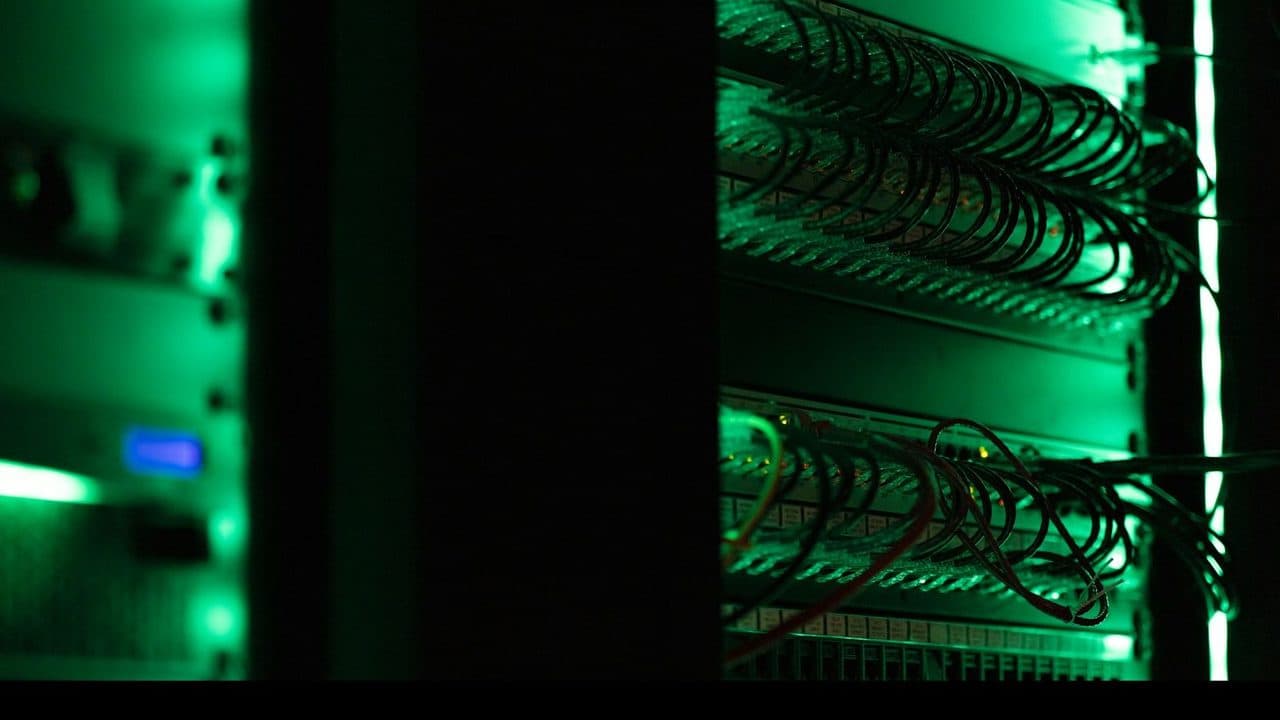
Reliable post-launch software support and continuous maintenance
Launching your application is only the first step. Production systems require regular security patching, library upgrades, cloud infrastructure monitoring, and continuous bug resolution to stay stable and performant. As a post launch software support agency, Canvas Developers provides a structured software maintenance retainer tailored to your product stack. Rather than hiring full-time staff for routine upkeep, our fractional engineering team retainer gives you experienced developers and DevOps specialists on demand. Whether you need a predictable monthly web app maintenance contract or an evolving saas maintenance plan for feature iterations, our team proactively manages dependencies, resolves production incidents, and hardens your codebase. AI coding tools accelerate routine fixes and script updates, while experienced senior engineers oversee every pull request, system architecture decision, and release.
AI-assisted, expert-led software maintenance
How AI assists
- Scanning dependencies for known CVEs, drafting changelogs, and generating initial library upgrade diffs
- Parsing infrastructure error logs, tracing error stack traces, and proposing preliminary bug patches
- Generating automated regression test suites and sanity checks for scheduled maintenance releases
- Drafting boilerplate deployment manifests, health check scripts, and routine database migration steps
What our experts own
- Senior engineers audit every AI-generated patch for security vulnerabilities, race conditions, and side effects
- DevOps leads manage production deployments, verify rollback paths, and maintain infrastructure state
- Architects evaluate breaking upstream changes, deprecation warnings, and multi-tenant database scaling
- Human specialists verify critical paths including billing webhooks, authentication sessions, and customer data
How your maintenance scope is partitioned
Illustrative breakdown of maintenance responsibilities across infrastructure, application, and vendor layers.
Monitoring & triage layer
- Synthetic uptime checks and SSL certificate expiration monitoring
- Automated exception tracking with Sentry or Datadog alerts
- Log aggregation and automated anomaly detection
- Initial alert classification and severity escalation
Application & codebase layer
- Regular dependency upgrades and security vulnerability patching
- Bug resolution and regression testing for core customer flows
- Database index maintenance and slow-query optimization
- API version deprecation updates and schema migrations
- Staging preview environment verification before production release
Infrastructure & external systems
- Cloud hosting resource scaling and container hygiene (Docker/Kubernetes)
- Automated database snapshot backups and restoration verification
- Third-party payment, email, and authentication API health checks
- Access control audits and deployment pipeline secrets rotation
What you receive
Core services in our software maintenance retainer
Uptime monitoring & alert triage
Continuous monitoring of server health, endpoint latency, background workers, and error rates with structured triage.
Security patching & dependency updates
Proactive auditing and upgrading of language runtimes, package frameworks, and third-party libraries before vulnerabilities become exploits.
Database maintenance & backup verification
Routine index optimization, storage monitoring, scheduled snapshot audits, and automated backup restoration testing.
Bug fixes & performance optimization
Prompt resolution of reported application defects, resolving memory leaks, query bottlenecks, and front-end regressions.
Iterative feature & integration updates
Ongoing delivery of smaller feature requests, API version upgrades, and third-party service integration maintenance.
Environment & cloud infrastructure hygiene
Ongoing maintenance of CI/CD pipelines, container images, SSL certificates, DNS configurations, and staging environments.
Scope, onboarding and ongoing support
Initial onboarding & technical audit
We begin with a thorough inspection of your repository, CI/CD pipelines, third-party integrations, and hosting setup to document architectural conventions and establish access credentials.
Agreed monthly allocation & SLAs
We establish a fixed monthly engineering allocation aligned with your product roadmap, setting clear response times for urgent outages and routine maintenance tickets.
Transparent reporting & continuous backlog
Track every hour and task through shared ticket boards and monthly summary reports, ensuring steady progress on technical debt, performance, and infrastructure health.
Who needs a software maintenance retainer
Your application is live in production, but your team lacks the dedicated time or in-house expertise to manage server alerts, library upgrades, security fixes, and technical debt.
- Post-launch startup founders who need dependable on-call engineering without hiring a full-time DevOps team
- SaaS companies seeking a saas maintenance plan to handle steady bug fixes, API updates, and background stability
- Agencies and established businesses looking for a trusted partner to provide ongoing maintenance for client web applications
Typical maintenance engagements
Typical scenarios we scope, not client case studies.
Post-MVP SaaS platform maintenance
A B2B SaaS founder launched their MVP and shifted focus to customer acquisition. We took over weekly package updates, database indexing, Stripe webhook version maintenance, and user-reported bug fixes under a predictable monthly retainer.
Internal workflow tool stabilization
An enterprise operations portal built with React and Node.js suffered intermittent outages from memory leaks and unpatched npm dependencies. Our engineers stabilized the hosting environment, implemented automated tests, and now manage monthly security audits.
Agency white-label maintenance support
A design and marketing agency launched bespoke web apps for three corporate clients. We provide behind-the-scenes engineering support, handling cloud infrastructure monitoring, bug patches, and framework updates under a white-label arrangement.
How our maintenance retainers operate
- 01
Codebase & infrastructure audit
We inspect your repository, cloud environment, existing test coverage, and documentation to establish an initial health baseline and maintenance backlog.
- 02
Tooling & telemetry setup
We connect monitoring dashboards, configure error tracking, set up CI/CD pipeline checks, and agree on support communication channels.
- 03
Scheduled maintenance & task execution
Engineers tackle routine patch cycles, dependency upgrades, and approved bug tickets, using AI tools for speed and human review for quality.
- 04
Review, reporting & continuous improvement
We deliver transparent monthly maintenance reports detailing completed tickets, uptime metrics, dependency status, and recommendations for the next cycle.
Two ways to work with AI tools
AI assists with infrastructure code and diagnostics. Choose where it may process your configuration and logs.
- Private / Local AI Engineering
Privately hosted models inside infrastructure you control or an agreed isolated environment.
Discuss with this package - Claude Code / OpenAI Codex Engineering
Claude Code and/or OpenAI Codex with cloud settings your organization approves.
Discuss with this package
Not sure? We'll recommend one during scoping. Compare AI delivery options
What is outside a standard maintenance retainer
- Full-scale application rewrites or ground-up product redesigns require a separate scoping process — see SaaS & MVP Development.
- Major new feature modules requiring full architectural discovery and multi-month dedicated teams are scoped as standalone projects.
- Fixing severely neglected or undocumented legacy codebases typically begins with an initial code audit and modernization assessment.
- Ad-hoc emergency rescue for unmanaged third-party systems without prior onboarding and environment access is not supported.
Why founders choose a retainer over ad-hoc fixes
Guaranteed engineering continuity
Avoid the friction of re-onboarding unfamiliar contractors. A dedicated engineering team maintains context on your architecture, code conventions, and business logic.
Proactive prevention over crisis management
Scheduled maintenance catches deprecations, memory leaks, and expiring certificates before they turn into emergency downtime or data loss.
Fractional team without full-time overhead
Gain access to senior software engineers, DevOps specialists, and QA testers under an agreed monthly allocation without the cost of hiring multiple full-time roles.
Controlled, verified releases
Every maintenance patch is validated in preview environments, backed by automated tests and engineer review before reaching production systems.
FAQ
Frequently asked questions
What is included in a monthly web app maintenance contract?
A monthly contract covers scheduled security patches, framework and package updates, uptime and error monitoring, database backup checks, and an agreed allocation of engineering hours for bug fixes and small feature enhancements. Critical incidents are prioritized according to agreed response procedures.
How does a fractional engineering team retainer compare to hiring in-house?
Hiring full-time engineers incurs recruitment fees, management overhead, and fixed payroll even during quiet development periods. A fractional retainer gives you on-demand access to a balanced team of developers, DevOps engineers, and QA specialists who already understand your product, scaling your capacity without full-time commitments.
Can unused retainer hours roll over to the next month?
Retainers reserve dedicated engineering capacity for your product each month to guarantee immediate availability and continuous oversight. Because capacity is reserved specifically for your team, hours typically do not roll over, but we plan maintenance sprints proactively so your reserved hours are consistently put toward high-value optimizations.
How do AI tools assist in software maintenance, and where is our code processed?
AI coding agents assist by drafting patches, summarizing log errors, and scaffolding test cases, but human engineers review every line before merge. Under Private / Local AI Engineering, models run inside client-controlled or isolated environments; under Claude Code / OpenAI Codex Engineering, commercial tools operate under agreed privacy and retention terms.
Related case studies

Related projects

Related articles
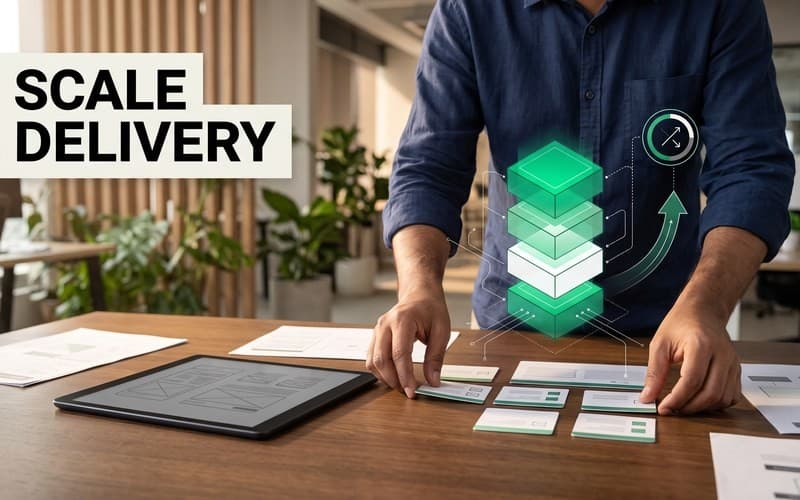

Related Services

Vibe Coding Consulting & Governance
Architectural guardrails, automated testing enforcement, and code audits for AI-generated codebases....
Learn more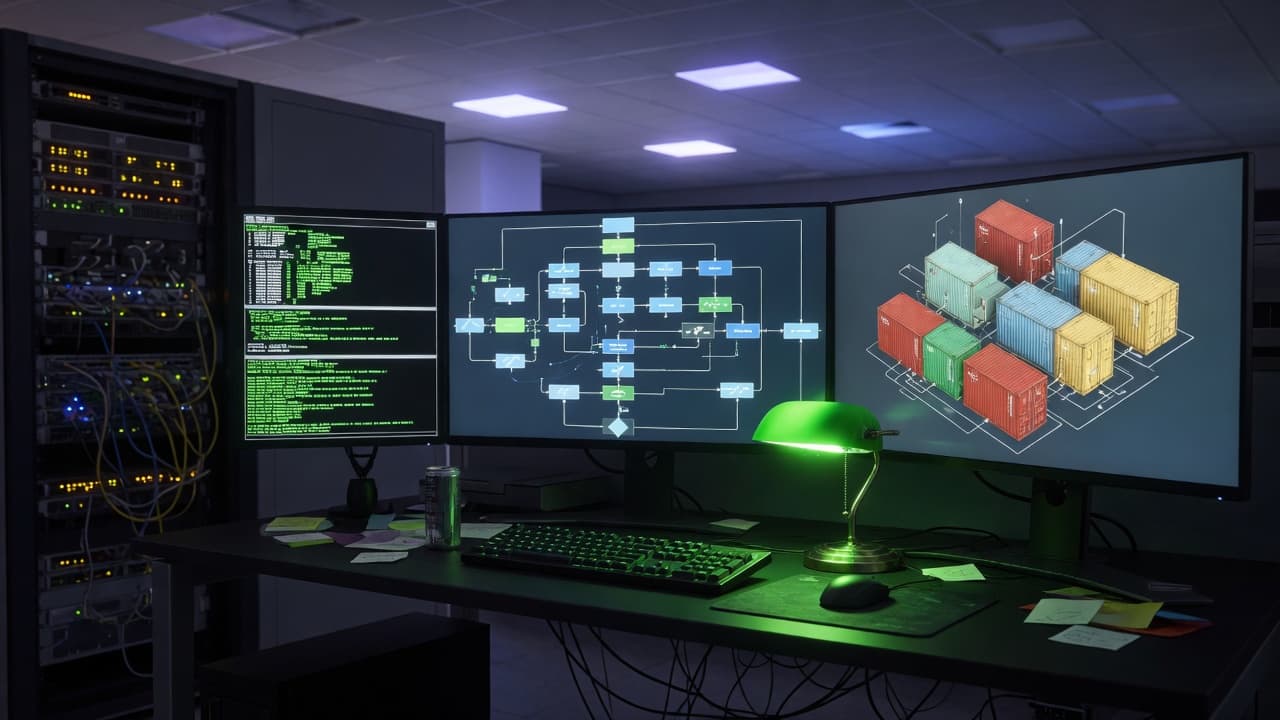
DevOps & CI/CD
Build, test and deployment pipelines that check every change before it reaches production. We set th...
Learn more
Cloud Infrastructure
Infrastructure sized for what your product needs now, with room to grow. We design it, define it as ...
Learn more
Managed DevOps & Operations
An accountable team for your software after launch, not just a handover. We run releases, monitoring...
Learn more
Need reliable post-launch engineering support?
Tell us about your application stack and support requirements. We will assess your codebase and propose a structured maintenance retainer tailored to your needs.