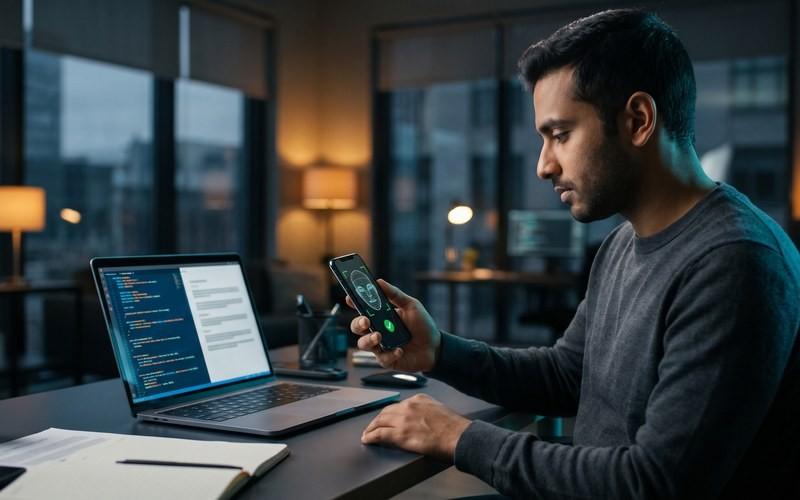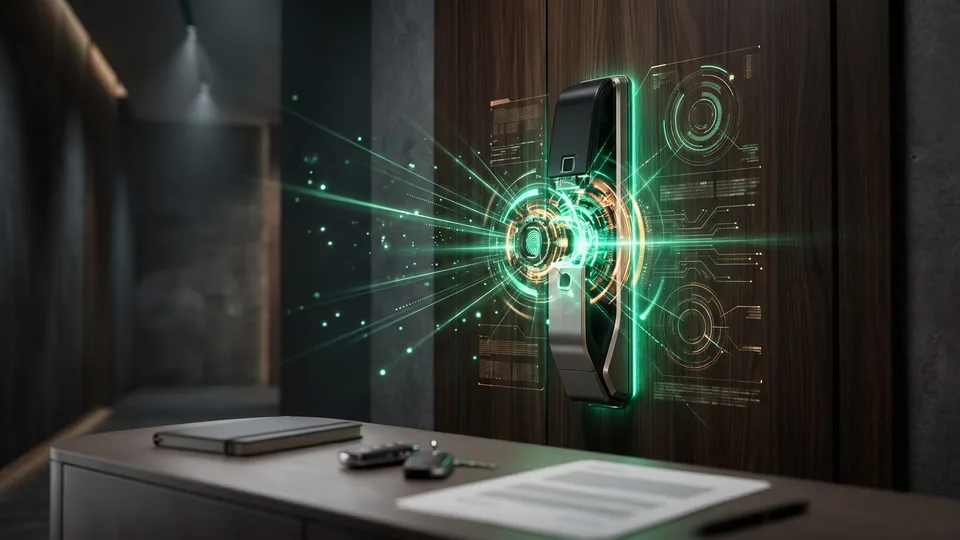
Modern property operations demand modern digital touchpoints, yet relying solely on off-the-shelf management interfaces often limits community branding and operational efficiency. Implementing an appfolio tenant portal integration allows real estate operators to separate the tenant-facing digital experience from the underlying financial engine. By treating AppFolio as the authoritative system of record for leases and accounting, engineering teams can build custom resident mobile applications, automate smart access credentials, and route Internet of Things (IoT) telemetry directly into operational workflows without disrupting core ledger integrity.
Why Should You Extend the Native AppFolio Tenant Portal?
AppFolio Property Manager serves as an exceptional double-entry accounting engine and property operations system of record. However, standard tenant portals are inherently generic. Standard portals bundle lease tracking, billing, and maintenance ticketing into a rigid layout that cannot accommodate custom branding, unified smart building amenities, or specialized concierge workflows required by Class-A multifamily and modern build-to-rent communities.
When operators attempt to deliver bespoke digital living experiences, forcing property managers to replace their core enterprise resource planning (ERP) system is financially reckless. Replacing an established back office risks data loss, complicates bank reconciliations, and creates severe staff friction. The superior architectural path involves an appfolio tenant portal integration that deploys a custom tenant portal for AppFolio as a dedicated presentation layer. This decoupled strategy leaves billing, payments, and trust accounting untouched in the native ledger while granting engineering teams complete freedom over resident mobile interfaces, hardware automations, community marketplaces, and amenity booking.
How Does Decoupling the Resident App from the Accounting Engine Work?
Decoupling a resident application from AppFolio relies on a headless architectural pattern. In this model, AppFolio retains exclusive authority over property accounting, lease terms, rent collection, and vendor billing. Rather than attempting to rebuild complex double-entry financial modules, developers preserve native payment processing through AppFolio’s authenticated payment endpoints or embedded web views. This guarantees that bank reconciliations, delinquency reporting, and tenant ledgers stay perfectly synchronized without manual bookkeeping intervention.
Above this financial foundation sits an independent presentation layer. A backend integration service acts as the orchestration gateway, translating AppFolio API data into clean payloads consumed by custom portals built via web development and a native white label tenant mobile app appfolio deployment. This middleware securely caches read-heavy directory data, standardizes event logging, and isolates the resident interface from third-party vendor changes. Operators gain full ownership over the resident experience—introducing property-branded styling, community chat, visitor parking permits, and service marketplace features. By treating the appfolio tenant portal integration as an API-driven data bridge rather than an accounting replacement, properties achieve enterprise-grade branding alongside uncompromising financial compliance.
How Do You Build a Custom Mobile Experience on AppFolio APIs?
Building a high-performance native or cross-platform application on top of property management software requires an intermediary API gateway. Direct communication between client mobile devices and core property management endpoints introduces severe security risks and rate-limiting bottlenecks. An orchestration layer standardizes data exchange while shielding infrastructure from unauthorized queries. A dedicated gateway also handles caching, payload transformation, and protocol translation between REST endpoints and mobile clients.
Authenticating Residents Securely Without Compromising Financial Data
Secure identity management begins by separating resident authentication from core financial records. The custom application backend implements an OAuth 2.0 or modern token-based architecture, issuing short-lived JSON Web Tokens (JWT) paired with encrypted refresh tokens stored in the mobile operating system's secure keychain. When a resident logs in, the authentication service validates their identity against verified AppFolio tenant records without exposing administrative API tokens or banking details to the client device.
Role-based access control (RBAC) enforces strict boundary isolation. A resident can only query endpoints explicitly authorized for their unit identifier and active lease status. Integrating device biometrics (such as Apple Face ID or Android Biometric Prompt) at the mobile layer improves security and daily usability while ensuring sensitive financial transactions and payment instrument updates remain routed through secure, PCI-compliant web views.
Syncing Lease Records and Resident Directory Data in Real Time
Maintaining data parity between AppFolio and a custom tenant portal for AppFolio requires combining scheduled reconciliation jobs with real-time, event-driven webhooks. When property staff execute a new lease, process a renewal, or finalize a transfer in AppFolio, the system dispatches an event notification to the integration gateway. An asynchronous message queue—such as Redis or Amazon SQS—ingests these payloads to prevent API throttling during high-volume turnover periods.
Worker processes validate webhook HMAC signatures, ensure idempotency to prevent duplicate record processing, and immediately synchronize directory data. This architecture ensures that a white label tenant mobile app appfolio deployment reflects active tenant permissions instantly, automatically revoking amenities or visitor pass generation the exact moment a lease terminates in the central ledger.
How Can You Connect Smart Locks and Keyless Access to AppFolio?
Keyless access transforms physical property operations by eliminating re-keying costs, lost physical keys, and manual turnover handoffs. A robust appfolio smart lock integration aligns digital lock states directly with the lifecycle of lease agreements maintained within the central database.
Mapping Move-In and Move-Out Timelines to Digital Credential Lifecycles
Credential provisioning must adhere strictly to effective lease timestamps. In modern property access architectures, lease dates synchronize across platforms to automatically generate unique resident PINs and Bluetooth Low Energy (BLE) mobile credentials scheduled to activate precisely at lease commencement.
When a tenant moves out or a lease reaches termination, the integration immediately revokes digital keys across all perimeter doors, common areas, and unit entries. During unit turns, access lifecycles shift to work orders: maintenance staff and vetted contractors receive time-bounded, single-day access credentials tied to active turnover tasks in AppFolio, automatically revoking credentials once the job status marks complete.
Integrating Hardware APIs with AppFolio Unit and Tenant Records
Connecting disparate access hardware requires mapping physical controllers to logical property hierarchies. Platforms like ElevateOS Connect bridge lock providers (such as Yale, Schlage, SALTO, and dormakaba) with property management systems, delivering unified credentials into a single resident interface. An effective appfolio iot hardware sync maps AppFolio property, building, and unit identifiers directly to hardware access groups.
Engineers must also implement resilient offline fallbacks. Hardware hubs should cache credential tables locally so residents can unlock perimeter gates and private doors during building internet outages. All door interactions are queued and transmitted upstream once connectivity resumes, maintaining a tamper-evident audit trail without violating resident privacy. Managing temporary vendor access through time-limited PIN codes further guarantees that external technicians enter only authorized service corridors without exposing master keys.
How Do IoT Maintenance Sensors Feed Automated AppFolio Work Orders?
Water leaks and HVAC equipment failures represent significant operating expenses and catastrophic damage risks for property owners. Establishing an automated bridge between physical sensor telemetry and AppFolio converts reactive resident complaint cycles into proactive, automated facilities protection.
Ingesting Real-Time Telemetry from Leak Detectors and Environmental Sensors
Smart building deployments utilize low-power wide-area networks (such as LoRaWAN) or cellular gateways to collect sensor telemetry across plumbing risers, water heaters, and mechanical rooms. Environmental sensors monitor ambient temperature, humidity, and moisture contact, transmitting continuous readings to an IoT ingestion service.
Through a reliable appfolio iot hardware sync, the ingestion pipeline filters raw telemetry to prevent alert fatigue. Edge algorithms analyze sensor data against preconfigured thresholds—such as sustained moisture detection under a kitchen sink or freezing temperatures in unheated utility closets—before validating unit associations and triggering downstream operational dispatches.
Triggering Automated Work Orders via the AppFolio Maintenance API
Once an anomaly confirms an active physical risk, the integration service constructs an automated payload for the appfolio maintenance request api workflow. The service programmatically calls AppFolio's maintenance endpoints to open an emergency work order, populating the affected unit ID, diagnostic readings, vendor categories, and severity tags. High-priority water leak events can simultaneously trigger automatic smart shutoff valves, preventing flooding before personnel arrive.
The custom mobile app consumes real-time status updates as technicians update the work order in AppFolio. Push notifications inform residents when technicians are assigned, en route, and finishing the job. This transparent loop provides immediate peace of mind for tenants while eliminating phone calls to property management offices. Real-time logging within the custom resident app also allows tenants to upload photos or track dispatch notes directly alongside the automated sensor ticket.
What Are the Engineering Trade-Offs Between AI Code and Manual Architecture?
Modern AI coding agents and harness platforms like Antigravity accelerate initial development velocity. When architecting an appfolio tenant portal integration, AI coding tools rapidly scaffold boilerplate API connectors, synthesize data transformation schemas, and generate typed client models for iOS and Android. At Canvas Developers, engineering teams use AI-assisted scaffolding and iteration to shorten feedback loops, automate integration tests, and reduce repetitive engineering effort.
However, AI-generated code has distinct limitations. Autonomous models cannot anticipate complex distributed concurrency bugs, webhook replay attacks, or race conditions during high-volume lease turnovers. Experienced software engineers must own system architecture, conduct rigorous line-by-line code reviews, and decide all releases. Human engineers enforce strict data validation, configure exponential backoff algorithms to prevent AppFolio API rate-limit exhaustion, and isolate financial payment boundaries so sensitive resident payment data never touches custom servers.
Canvas Developers offers two distinct delivery models: Private / Local AI Engineering using isolated open-weight models within client-controlled infrastructure, or Claude Code / OpenAI Codex Engineering using vetted commercial tooling. In both setups, AI speeds routine scaffolding while senior engineers verify security, scalability, and long-term maintainability.
What Critical Implementation Mistakes Should Real Estate Teams Avoid?
Deploying a custom tenant portal for AppFolio alongside hardware integrations introduces complex distributed failure modes. Teams must avoid three critical pitfalls:
- Asynchronous State Drift: If a lease termination shifts in AppFolio but the appfolio iot hardware sync lacks two-way reconciliation, smart locks risk stranding residents or leaving active credentials. Idempotency keys and reconciliation sweeps prevent state divergence.
- Privacy Exposure: Storing raw entry PINs or unmasked resident access events violates privacy standards. Integration layers should store only cryptographically hashed references.
- Bypassing Sandbox Testing: Virtual API mocks cannot simulate physical RF interference, battery drain, or network latency on building gateways. Teams must validate deployments in a hardware bench environment.
Integration Acceptance Checklist
- Unit ID and lease timeline mapping verified across AppFolio and lock controllers.
- Automated credential revocation confirmed on lease termination webhooks.
- Gateway offline caching validated for continuous door access during outages.
- Sensor thresholds tuned to prevent false work order generation.
When a simpler option fits: Portfolios managing fewer than 50 units with standard operations rarely need custom engineering. Off-the-shelf partner apps or the native AppFolio portal remain the most practical choice.
How Do You Plan Your Scoped AppFolio Custom Integration?
Executing an enterprise appfolio tenant portal integration demands a disciplined engineering roadmap. Every successful project begins with a comprehensive technical audit of existing door hardware, IoT gateway infrastructure, and active AppFolio configuration scopes. Defining clear architecture milestones—from data schema mapping and security modeling to sandbox hardware validation—ensures predictable progress before touching production tenant records.
Canvas Developers delivers structured engineering engagements starting with rigorous technical scoping, followed by agreed development milestones, automated regression testing, and production handover. Whether you need to build a bespoke mobile amenity platform or stabilize an existing hardware bridge, share your current property management stack, lock protocols, and operational goals through the Canvas Developers contact form to schedule a scoped technical assessment.